
The Impact of In-Home ABA Therapy After School
As parents, we often seek the best pathways to support our children's development and learning. Applied Behavior Analysis (ABA) therapy has emerged as a critical tool for addressing a variety of behavioral and communication challenges, especially for children with autism spectrum disorders. One of the most effective implementations of ABA is in the comfort of the child's home, particularly after school hours.
Why does this matter? The after-school period can be a time of significant transition, where children move from structured classroom environments to the more relaxed setting of home. During this time, children may experience various stresses or challenges—be it social interactions, homework pressures, or the struggle to unwind. In-home ABA therapy can provide tailored support, helping children navigate these challenges in a familiar environment. This personalized approach not only reinforces the skills learned in school but also allows therapists to observe and address behavioral issues in real-time.
In-home ABA therapy bridges the gap between school and home, providing continuity in support.— Applied Behavior and Communication Services
Moreover, the in-home setting allows therapists to collaborate closely with families, empowering parents to implement strategies and techniques that can lead to lasting change. This combination of professional guidance and parental involvement significantly enhances the effectiveness of therapy, fostering a more holistic approach to each child's development.
Understanding the Impact of In-Home ABA After School
Applied Behavior Analysis (ABA) is a well-established therapeutic approach that is especially effective when conducted in a familiar environment, such as the home. The after-school hours present a unique opportunity for children to engage in structured learning experiences that reinforce skills in a naturalistic setting. This method allows for the application of learned behaviors in real-life scenarios, thereby enhancing generalization and retention.
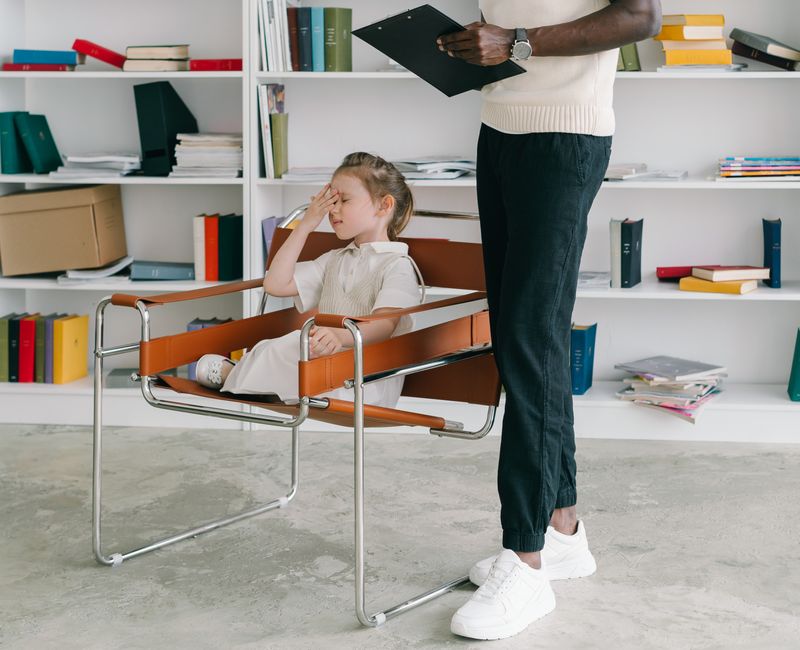
In-home ABA therapy provides consistency and comfort for the child, which can lead to increased engagement and receptiveness to learning. The family environment allows therapists to integrate family members into the therapeutic process, fostering collaboration and support. This setting also enables the identification of specific triggers or challenges that may arise during after-school hours, such as difficulties with homework or social interactions.
Key Benefits of In-Home ABA After School
- Improved skill generalization in familiar settings
- Increased family involvement in the therapeutic process
- Customized interventions that address specific after-school challenges
- Flexibility in scheduling to accommodate family routines
Overall, in-home ABA therapy after school not only supports the development of essential skills but also empowers families to actively participate in their child's progress. By creating a seamless integration of therapy into daily life, children are more likely to flourish in both their academic and social endeavors.
Practical Applications of In-Home ABA After School
In-home Applied Behavior Analysis (ABA) therapy after school offers unique opportunities for practical application of behavioral interventions in a child's natural environment. This approach allows therapists to tailor sessions to fit seamlessly into the family's daily routine, enhancing the relevance and effectiveness of the interventions.
Enhancing Daily Routines
One of the key implications of in-home ABA therapy is the ability to embed learning within everyday activities. For instance, therapists can utilize homework time to reinforce organizational skills, or mealtime to promote appropriate communication. This situational training helps children generalize skills to real-life scenarios, making them more applicable beyond therapy sessions.
Collaboration with Families
In-home therapy facilitates closer collaboration with family members, who can actively participate in the learning process. Therapists can coach parents on effective reinforcement strategies, enabling them to support their child's progress between sessions. This family involvement fosters a consistent approach to behavior management, which is crucial for successful outcomes.
In-home ABA therapy allows for a personalized approach, embedding learning within daily life while promoting family collaboration.
Immediate Feedback and Adjustments
Therapists can provide immediate feedback and make real-time adjustments to interventions based on the child's responses. This dynamic approach enhances the learning experience, allowing for rapid identification of effective strategies. By observing interactions in the home environment, therapists can better understand the child's triggers and strengths.
In-home ABA therapy transforms daily routines into learning opportunities that are practical and relevant.— Applied Behavior and Communication Services
Navigating Common Misunderstandings in Home-Based ABA Therapy
While home-based Applied Behavior Analysis (ABA) therapy can be highly effective for children, several common misconceptions and pitfalls can hinder its success. Understanding these errors is crucial for parents and caregivers to maximize the benefits of ABA therapy.
Misconceptions About ABA Therapy
- ABA therapy is only for severe behavioral issues.
- In-home therapy is less effective than center-based therapy.
- Once therapy starts, no adjustments are needed.
- ABA is a one-size-fits-all approach.
Many believe that ABA therapy is solely for children with severe behavioral challenges. However, it can help a wide range of developmental disabilities and behavioral issues. Additionally, there is a commonly held perception that in-home therapy is less effective compared to center-based programs, but research shows that both settings can yield positive outcomes when implemented correctly.

Common Pitfalls in Implementation
- Failing to maintain consistency between sessions and daily routines.
- Neglecting to involve family members in the therapy process.
- Overlooking the importance of data collection and progress monitoring.
One major pitfall is inconsistency; if therapy sessions do not align with the child's daily routines, the effectiveness of the strategies may diminish. Additionally, not involving family members can limit the child's progress, as they play a critical role in reinforcing learned behaviors. Furthermore, neglecting to collect and analyze data can lead to missed opportunities for improvement and adaptation.
Understanding common misconceptions and pitfalls is essential for successful home-based ABA therapy.— Expert in ABA Therapy
Real-World Examples of In-Home ABA Effectiveness
Case Study: Enhancing Communication Skills
Consider a case involving a seven-year-old boy, Jake, diagnosed with autism spectrum disorder (ASD). After school, Jake struggled with initiating conversations and often played alone. An in-home ABA program was implemented, focusing on encouraging peer interactions and promoting language use. Through structured play sessions with a trained therapist, Jake learned to identify emotions and ask questions, leading to improved communication with his siblings and peers.
Scenario: Reducing Challenging Behaviors
In another instance, a nine-year-old girl, Mia, exhibited tantrums when asked to transition from one activity to another after school. The ABA team introduced a visual schedule and reinforced successful transitions with praise and small rewards. Over time, Mia's tantrums significantly decreased, and she became more adaptable to changes in her routine, illustrating the power of in-home interventions.
Benefits of Family Involvement
Both examples demonstrate how in-home ABA not only targets specific skills but also engages family members in the therapeutic process. Family involvement is crucial for generalization, as parents learn techniques to reinforce skills during daily routines, enhancing the child's progress beyond therapy sessions.
In-home ABA therapy empowers families to support their child's growth in a familiar environment.
Maximizing the Effectiveness of In-Home ABA After School
In-home ABA therapy after school offers unique opportunities for children to generalize learned skills in a familiar environment. To enhance the effectiveness of these sessions, it is crucial to consider specific advanced strategies tailored to individual needs.

Leveraging Naturalistic Teaching Opportunities
One of the primary advantages of in-home therapy is the ability to incorporate everyday activities into learning. Therapists can utilize naturalistic teaching methods, where skills are taught during routine tasks such as cooking, cleaning, or playtime. This contextual learning can significantly enhance retention and application of skills.
Collaboration with Family Members
Engagement of family members in the therapy process is essential. By training parents and siblings on strategies to reinforce positive behaviors, the child benefits from consistent support across all settings. This collaborative approach not only fosters a sense of teamwork but also increases the child's motivation and comfort level.
Monitoring and Data Collection
Regular data collection during sessions is vital to track progress and modify interventions as needed. Implementing a systematic approach to data analysis allows therapists to make informed decisions, ensuring that the therapy remains responsive to the child's evolving needs.
Integrate in-home ABA sessions with family routines to create rich learning experiences.
Unlocking Potential Through In-Home ABA Therapy
In-home Applied Behavior Analysis (ABA) therapy, particularly when delivered after school, offers families an invaluable tool for fostering growth and development in children with autism and related behavioral challenges. This approach not only promotes learning in a familiar environment but also allows for personalized strategies that can be seamlessly integrated into daily routines. By implementing tailored interventions in the home setting, children can practice skills in real-life situations, enhancing their ability to generalize these skills across various contexts.
The effectiveness of this model lies in its flexibility and adaptability, catering to each child's unique needs. One of the significant benefits is the opportunity for caregivers to be involved in the therapy process. This involvement helps parents learn effective techniques to reinforce positive behaviors and manage challenges, creating a supportive home environment conducive to learning.
In-home therapy transforms daily routines into learning opportunities.
Moreover, after-school sessions can effectively bridge the gap between school and home, offering immediate support when children may face challenges transitioning from the classroom. The continuity of care ensures that the skills learned during the school day are reinforced and practiced at home, solidifying the child's understanding and application of those skills.
Ultimately, the integration of in-home ABA therapy after school empowers families to create a nurturing environment that encourages growth, independence, and improved communication skills. By choosing this tailored approach, you are not just investing in therapy; you are investing in your child's future.