
Preparing for Success: The Role of ABA Therapy in School Readiness
As the back-to-school season approaches, parents and educators alike are keen to ensure that children are equipped not only with school supplies but also with the behavioral skills necessary for a successful academic year. This is especially crucial for children with developmental challenges, as they may struggle with the demands of a structured classroom environment. Applied Behavior Analysis (ABA) therapy offers evidence-based strategies that can significantly enhance a child's behavioral readiness for school.
The importance of behavioral readiness cannot be overstated. Children who are well-prepared to navigate social interactions, follow classroom rules, and manage transitions are more likely to thrive academically and socially. By focusing on essential skills such as communication, self-regulation, and problem-solving, ABA therapy cultivates a foundation that supports not only academic engagement but also emotional well-being.
ABA therapy equips children with essential skills for navigating the complexities of a school environment.
Understanding how ABA therapy can specifically address behavioral challenges in the classroom setting is crucial for parents, educators, and caregivers. The techniques used in ABA therapy empower children, ensuring they are not just ready for school, but are also positioned for long-term success.
Understanding the Role of ABA Therapy in Behavioral Readiness
Applied Behavior Analysis (ABA) therapy plays a crucial role in preparing children for the classroom environment. At its core, ABA focuses on understanding and modifying behavior through systematic approaches. This therapy emphasizes the importance of positive reinforcement, which encourages children to develop desirable behaviors that are essential for classroom success.
One foundational aspect of ABA therapy is the identification of specific goals tailored to each child's unique needs. This may include enhancing communication skills, improving social interactions, and teaching self-regulation techniques. By working on these areas, ABA therapists equip children with skills that foster independence and collaboration in a school setting.
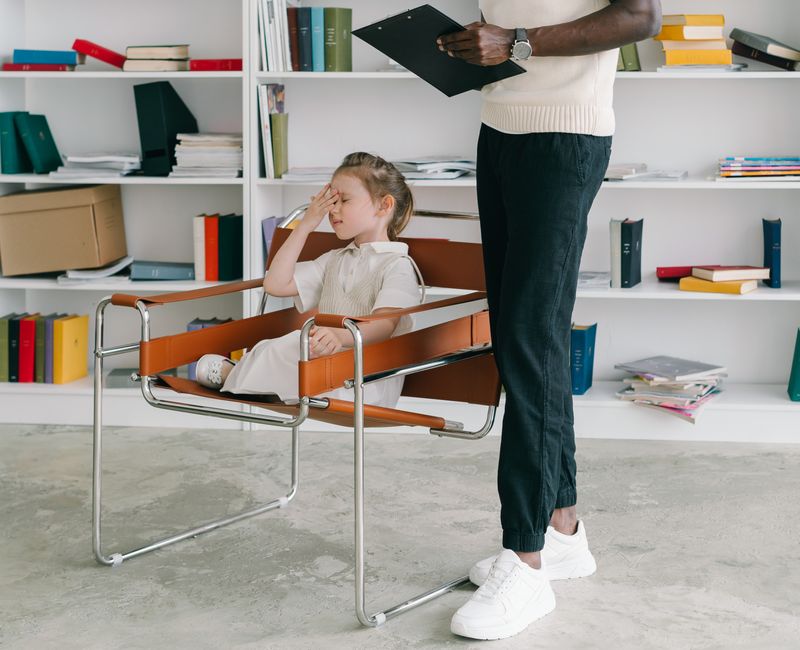
For instance, a child struggling with following directions may work with a therapist to practice listening skills and responding appropriately. Through repeated practice and reinforcement, the child gains confidence and becomes more adept at navigating classroom instructions. Similarly, social skills training can help children learn to interact positively with peers, which is essential for group activities and collaborative learning.
ABA therapy provides essential tools that empower children to thrive in the classroom environment.— Applied Behavior and Communication Services
In summary, understanding the foundational concepts of ABA therapy enables parents and educators to recognize how these strategies support children's behavioral readiness for school. By fostering crucial skills through personalized interventions, ABA therapy sets the stage for a successful transition back to school.
Practical Applications of ABA Therapy in the Classroom
Behavioral Strategies for Classroom Success
Applied Behavior Analysis (ABA) therapy offers concrete strategies to support children's behavioral readiness for the classroom. One common application is the use of reinforcement techniques. For instance, teachers can implement a reward system where students earn points or tokens for exhibiting positive behaviors such as raising their hand to speak or completing assignments on time.
- Use of visual schedules to help children understand daily routines.
- Implementation of social stories to prepare students for specific classroom scenarios.
- Setting clear expectations and rules to foster a structured learning environment.
Real-World Examples of ABA in Action
In a real-world classroom setting, a teacher may notice that a child struggles with transitions between activities. By applying ABA principles, the teacher can introduce a transitional object or a countdown timer to signal the change. This not only helps the child prepare mentally but also reduces anxiety associated with transitions.
ABA therapy equips educators with the tools to create an inclusive and supportive classroom environment.— Applied Behavior and Communication Services
Additionally, collaboration between parents, therapists, and educators is essential. Regular communication ensures that strategies used at home are mirrored in the classroom, providing consistency that benefits the child's learning experience.
Common Pitfalls and Considerations
While Applied Behavior Analysis (ABA) therapy can significantly enhance a child's behavioral readiness for school, several pitfalls and considerations must be noted to ensure effective implementation.
Overlooking Individual Needs
One of the most common mistakes is failing to tailor ABA strategies to the unique needs of each child. Children with varying levels of support requirements may respond differently to similar interventions. Individualized assessments are crucial in determining the appropriate techniques and goals.
Inconsistency in Application
Consistency is key in ABA therapy. Parents and educators must work collaboratively to ensure that behavioral strategies are applied uniformly across different environments. Inconsistencies can lead to confusion and hinder progress.
Avoid relying solely on verbal instructions. Visual aids and hands-on activities are essential in reinforcing learning and maintaining engagement.
Ignoring Data Collection
Data collection is fundamental to ABA. Without regularly monitoring progress, it's challenging to determine what is effective and what requires adjustment. Establishing a systematic approach to data collection can guide decision-making and future interventions.

Neglecting Parental Involvement
Finally, neglecting to involve parents in the ABA process can be detrimental. Parents are integral to reinforcing skills at home, and their insights can help shape more effective strategies.
Empowering Your Child for Success
As we conclude this exploration of how ABA therapy can facilitate children's behavioral readiness for the school environment, it's vital to emphasize that the main benefit lies in the personalized approach tailored to each child's unique needs. By fostering essential skills such as communication, self-regulation, and social interaction, ABA therapy not only equips children to navigate the complexities of classroom dynamics but also instills confidence and resilience.
The transition back to school can be a challenging time for both children and parents. However, with the guidance and support of ABA therapy, families can feel empowered in their journey. The strategies and techniques learned through therapy not only enhance behavioral readiness but also promote a lifelong love for learning. As your child grows and develops, the skills acquired through ABA can continue to support their academic and social success.
ABA therapy is a cornerstone for fostering behavioral readiness.— Applied Behavior and Communication Services
In summary, investing in ABA therapy is an investment in your child's future success in the classroom and beyond. It provides the tools necessary to thrive in educational settings, ensuring they are well-prepared to meet new challenges head-on.